



The evolution of casinos from ancient games to modern gambling hubs
Origins of Gambling: Ancient Civilizations
The concept of gambling can be traced back to ancient civilizations, where various forms of games of chance were played. In Mesopotamia, clay tablets dating back to 3000 BC depict the use of dice, suggesting that games of luck have been an integral part of human culture for millennia. Similarly, ancient Chinese civilization introduced gambling through games like Keno and various betting activities involving dice. These early forms of gambling laid the groundwork for what would eventually evolve into the modern casino experience, with sites like spinformulacasinoonline.com leading the charge in online gaming.

In addition to the Mesopotamians and Chinese, the ancient Greeks and Romans significantly contributed to gambling’s evolution. The Greeks established betting on athletic contests, while the Romans embraced gambling with a more organized approach, utilizing games like dice and betting on chariot races. This fusion of social activity and gambling not only entertained but also fostered community interactions, leading to the early formation of gambling hubs, akin to the modern casinos we see today.
These ancient games were not merely recreational; they were often intertwined with cultural and religious practices. For instance, the Romans utilized dice games during their festivals, reflecting the belief that fortune was influenced by divine powers. This connection between gambling and spirituality would evolve, shaping the moral landscape of gambling through the ages and influencing how societies viewed games of chance.
The Rise of Formal Casinos in Europe
The transition from informal gambling activities to formal casinos occurred in Europe during the 17th century. The first official casino, known as the Ridotto, opened in Venice in 1638, aiming to regulate gambling and provide a controlled environment for players. This establishment marked a significant shift, as it catered to the upper classes, creating a glamorous reputation around gambling that would attract more patrons. The Ridotto set a precedent for future establishments, emphasizing the importance of atmosphere, entertainment, and exclusivity in the casino experience.
By the 18th century, gambling houses proliferated across Europe, particularly in France. The creation of games such as roulette and baccarat further solidified the appeal of casinos, allowing players to engage in games that required both luck and strategy. The French gambling culture emphasized sophistication, and many iconic casinos, such as the Casino de Monte-Carlo, emerged during this time, contributing to the allure of gambling as a high-stakes social activity.
The rise of casinos in Europe also brought about stricter regulations aimed at curbing cheating and fraud. Authorities recognized the potential for abuse, leading to the establishment of rules and oversight to protect both players and the integrity of the games. This regulatory framework laid the groundwork for the modern legal structures surrounding casinos, ensuring fair play and transparency that are foundational to today’s gambling environments.
Technological Advancements and the Modern Casino
The 20th century witnessed dramatic transformations in the casino landscape, primarily due to technological advancements. The introduction of electronic gaming machines, particularly slot machines, revolutionized the industry. Initially appearing in the late 19th century, these machines became increasingly sophisticated throughout the century, enhancing the gaming experience and attracting a broader audience. Today, slot machines account for a significant portion of casino revenues, demonstrating their crucial role in modern gambling.
In addition to electronic gaming, the advent of the internet in the late 20th century catalyzed a new wave of gambling opportunities. Online casinos emerged, providing players with the convenience of gambling from the comfort of their homes. This shift expanded the reach of gambling beyond physical locations, making it accessible to a global audience. Online platforms now offer an extensive variety of games, ensuring that players can engage in everything from classic card games to innovative new titles at any time.
The rise of mobile technology has further enhanced the gambling experience. With smartphones and tablets becoming ubiquitous, many players prefer to gamble on the go. This shift has led casinos to develop mobile-friendly platforms and apps, ensuring that users can enjoy their favorite games anytime, anywhere. The integration of advanced technology continues to shape the casino industry, making it more dynamic and interactive than ever before.
The Cultural Impact of Casinos
Casinos have transcended their original purpose of providing entertainment and have become cultural icons. They often symbolize glamour and luxury, drawing tourists and locals alike. The portrayal of casinos in movies, literature, and popular culture has further romanticized the gambling experience, creating a mystique that attracts individuals seeking both excitement and leisure. This cultural significance has made casinos essential components of tourism, contributing to local economies worldwide.
Moreover, casinos play a vital role in social dynamics, bringing together people from diverse backgrounds. The communal aspect of gambling fosters a sense of camaraderie and shared experience, whether it’s cheering for a winning hand at a poker table or celebrating a big win on a slot machine. This social element enhances the appeal of casinos, making them more than just places to gamble; they are venues for social interaction and bonding.
However, the cultural impact of casinos is not solely positive. The rise of gambling addiction and its associated consequences has prompted discussions about responsible gambling practices. Efforts have been made by both casinos and governments to promote awareness and provide support for individuals struggling with gambling issues. The balance between entertainment and responsibility is a critical consideration for the modern casino landscape, reflecting the ongoing evolution of this industry.
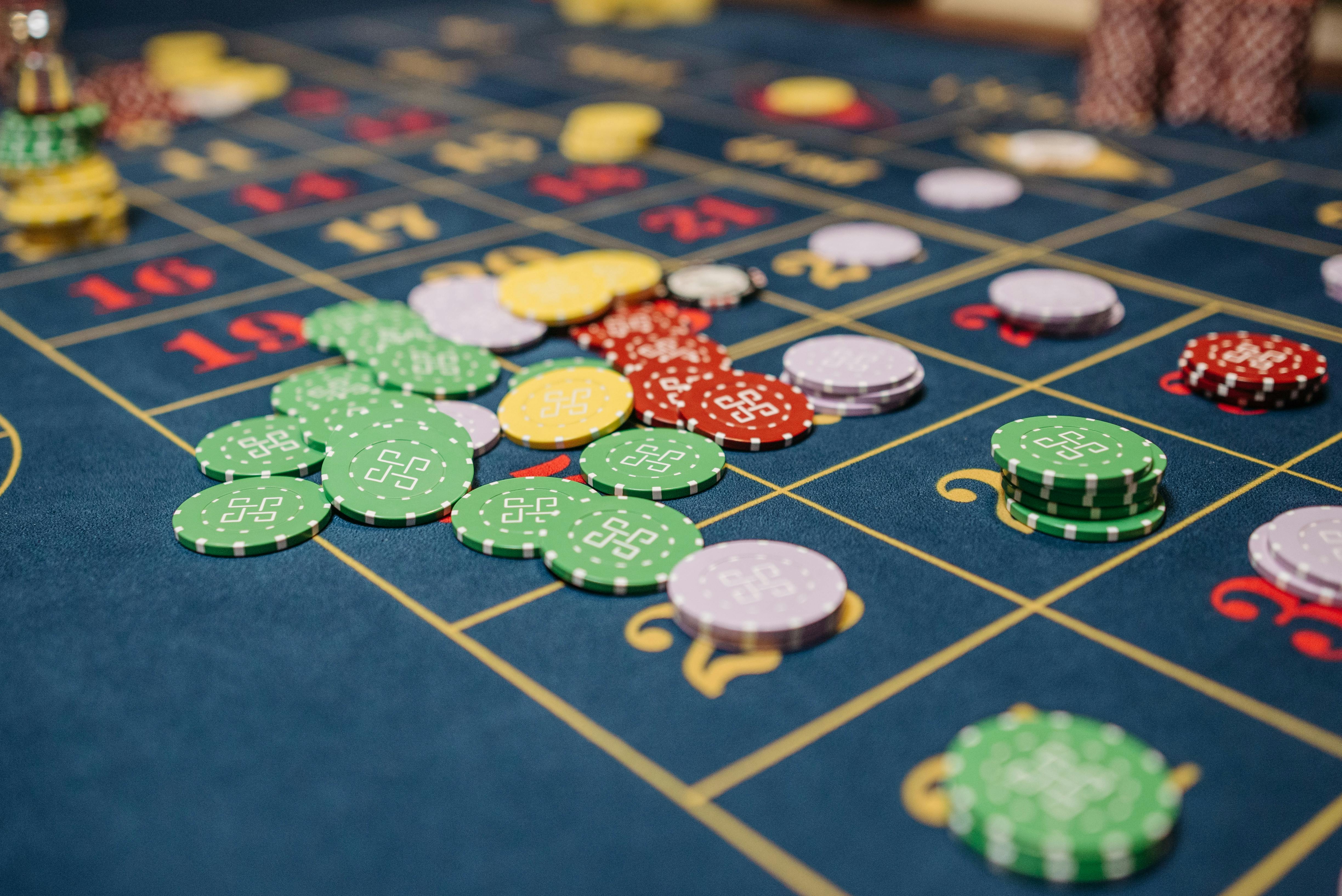
Exploring the Future of Gambling with SpinFormula Casino
The future of gambling is poised to embrace innovation and technology, and platforms like SpinFormula casino are at the forefront of this evolution. With a commitment to providing a seamless gaming experience, SpinFormula offers a range of games that cater to both traditionalists and modern players. As the gambling landscape continues to evolve, SpinFormula aims to keep pace with emerging trends, ensuring that users have access to the latest gaming technologies and experiences.
Additionally, SpinFormula emphasizes responsible gambling practices, reflecting the industry’s growing awareness of the importance of player well-being. By providing resources and support for players, SpinFormula aims to foster a safe and enjoyable gaming environment. This commitment to player safety and satisfaction underscores the ongoing transformation of the casino industry, ensuring that it remains a positive force in entertainment and social interaction.
As we look towards the future, the evolution of casinos from ancient games to modern gambling hubs continues to unfold. With advancements in technology, changing cultural dynamics, and a focus on player welfare, the industry is set to thrive in new and exciting ways. SpinFormula, with its innovative approach, represents the next chapter in this rich history, bridging the past with the future of gaming.